


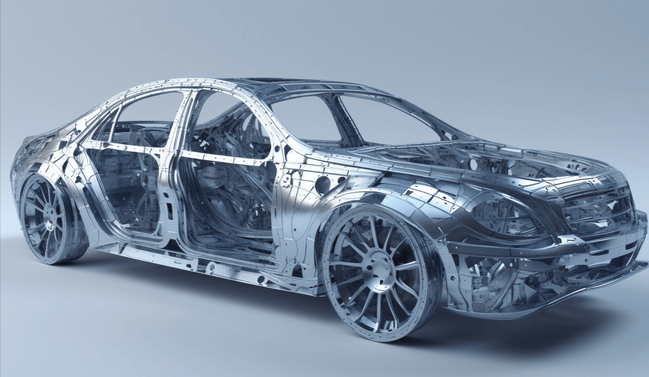
In the fast-paced world of automotive engineering, every component plays a critical role in ensuring superior performance, longevity, and safety. Among these, aluminum stands out as a shining star in automotive manufacturing.
Thanks to its ideal combination of lightweight and high strength, aluminum is the perfect material for building lighter, safer, and more energy-efficient vehicles. It is widely used in various alloys, enhancing their formability, strength-to-weight ratio, and other unique mechanical properties. Different aluminum alloys serve distinct purposes throughout the automotive manufacturing process, optimizing vehicle performance at every stage.
Beyond its inherent advantages, proper surface treatments and coatings, providing additional performance benefits and protection. Precise surface treatments not only improve aesthetics but also enhance corrosion resistance, wear protection, and environmental durability, even improving component formability.
Thus, vehicle performance largely depends on selecting the right materials and coatings for each component. Original Equipment Manufacturers (OEMs) must adhere to strict quality control processes, while automakers must rigorously verify the quality of incoming OEM-supplied parts. Measuring coating thickness on aluminum automotive components is a crucial step in ensuring flawless quality assurance.
Now, let’s dive into the automotive industry to explore the different surface treatments and coatings used on aluminum components, highlighting their economic and physical advantages. Plus, we’ll reveal the highly efficient quality control equipment used for coating thickness measurement and analysis.

- The Big Four: Surface Treatments & Coatings for Automotive Aluminum Components
Automotive aluminum parts can be “dressed up” in various ways, but these four major treatments dominate the industry:
- Anodizing
A favorite for OEM aluminum auto parts, this process grows a controlled oxide layer on the component’s surface. This layer boosts corrosion resistance, offers a wide color selection, and provides durability, hardness, and strong adhesion. Anodized aluminum is ideal for exterior body panels, wheels, and other high-visibility parts.
- Chromate-Free Conversion Coatings
These coatings act as “corrosion-resistant guardians”, forming a protective barrier while ensuring excellent adhesion for subsequent painting. Common in engine and aerospace components, Ti/Zr-based coatings (titanium/zirconium treatments) are particularly popular. They enhance bonding durability and are widely adopted by automakers.
- Powder Coating
A dry powder is uniformly applied and cured to form a protective and decorative layer. Powder coatings offer superior durability, chemical resistance, and color variety, making them ideal for chassis components and interior parts.
- Electroplating
This process uses electrolysis to deposit a metal layer on aluminum, improving corrosion resistance, smoothness, and aesthetic appeal. Electroplated aluminum is often used in exterior trim and decorative accents.
With the rise of lightweight electric vehicles (EVs), coating technologies are evolving rapidly. Cutting-edge nano-coatings, thin films, and advanced composite coatings are emerging – delivering higher corrosion resistance, durability, and weight reduction while aligning with the industry’s push for lighter yet high-performance vehicles.
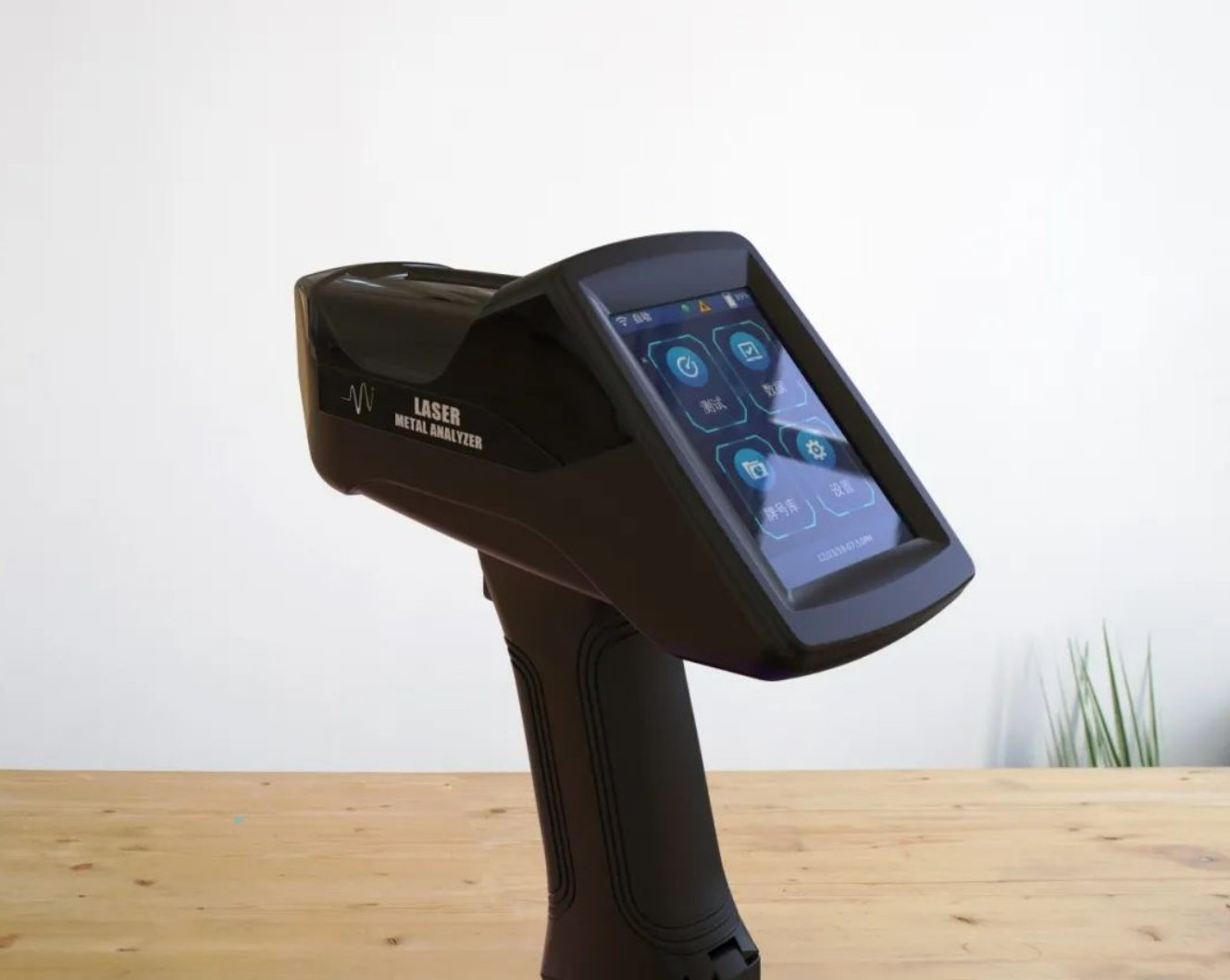
- Precision Control: LIBS Technology for Coating Thickness Measurement
For automotive engineers and manufacturers, consistent quality assurance is non-negotiable, and accurate coating thickness measurement is a critical checkpoint. Here, LIBS (Laser-Induced Breakdown Spectroscopy) technology proves to be a fast, reliable, and non-destructive solution, even for complex-shaped components.
As a non-destructive analytical technique, LIBS not only identifies material composition but also precisely measures coating thickness without damaging the part. Its advantages in coating analysis include:
- Non-Destructive Testing
LIBS leaves no impact on the component’s integrity, allowing inspected parts to be used immediately.
- High Accuracy & Precision
LIBS handheld analyzers provide highly accurate and repeatable measurements, minimizing the risk of non-compliant coatings.
- Time & Cost Savings
With instant measurements, LIBS reduces downtime and eliminates the need for destructive testing or sample prep, cutting costs and boosting efficiency.
- Versatile Applications
Whether it’s anodized layers, conversion coatings, or other treatments, LIBS handheld analyzers deliver reliable measurements across all automotive applications.
Conclusion
In the ever-evolving automotive industry, surface treatments and coatings are vital for enhancing the performance, protection, and aesthetics of aluminum OEM components. Anodizing, chromate-free coatings, powder coatings, and electroplating each play a unique role in ensuring durability and functionality. By selecting the right surface treatment, engineers guarantee superior vehicle performance, longevity, and customer satisfaction.
When it comes to aluminum OEM parts, surface treatment and quality control go hand in hand. Staying ahead of emerging coating technologies and integrating advanced tools like LIBS into production lines allows engineers to drive innovation, improve performance, and succeed in this dynamic industry.
Want to learn how handheld LIBS analyzers can revolutionize coating thickness analysis for automotive aluminum parts? Contact our expert team today for a consultation!