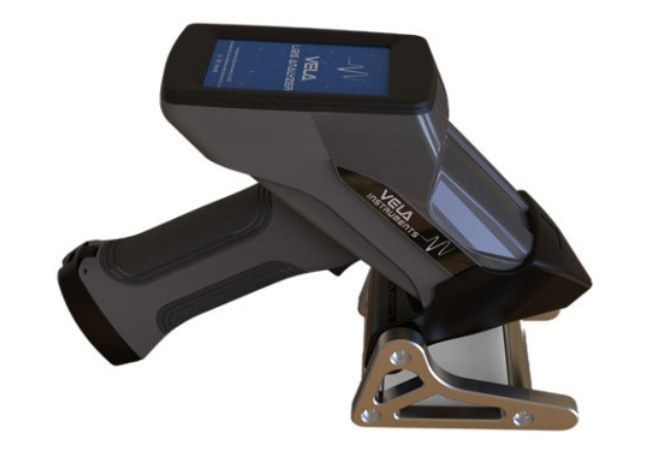


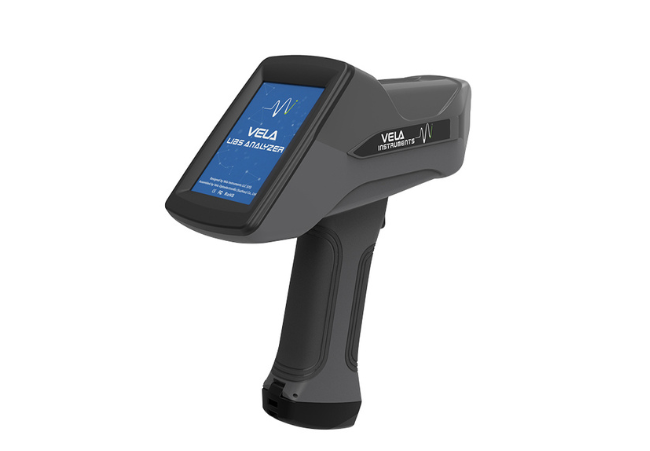
LIBS-JELA-LITHIUM
JELA-LI LIBS ANALYZER’s special instrument for lithium ore testing can quickly screen lithium ores and cores, including the analysis of lithium, beryllium, boron and carbon elements in brine and hard rock. Compared with the laboratory chemical analysis method, the Xingfan handheld laser lithium ore analyzer is suitable for on-site analysis of lithium mines, has a fast detection speed, and can be brought to the lithium mine site for detection, which greatly saves analysis time and improves analysis efficiency.
- DATASHEET
- Scope of delivery
| Laser Technology | Passively Q-Switched Lasers |
| Laser Safety | Class 3B, 1064nm |
| Spectral parameters | <0.1nm resolution, 250~415nm Spectral range |
| Base | Lithium ore, rock, lithium battery cathode material, pole piece, glass, lithium-rich electrolyte (aluminum ash) |
| Measureable elements | Lithium, lithium oxide, and other main elements (depending on the material being tested) |
| Sample shape | Block, thin sheet, arc and other special-shaped surfaces |
| Lower detection limit | Li: 10ppm, other elements 0.05%-0.1% |
| Battery | 14.8V, 3250mAh |
| IP grade | IP54 |
| WIFI | IEEE 802.11b/g/n 2.4GHz |
| Bluetooth version | Bluetooth 4.0 (BR+EDR+BLE) |
| Display | 4.0-inch touch resistive screen, 320*480 resolution |
| Memory | 8Gb standard, expandable to 16Gb |
| Dimension (L*W*H) | 227*86*234 mm |
| Weight | 2.75 pounds (1.25 Kg) including battery |
Main Unit *1
Portable Bluetooth printer *1
Silicone protective cover for the body *1
Leather protective cover (heat preservation) *1
Desktop metal bracket *1
Special test tooling for bending samples *1
Special tooling for welding rod testing *1
Safety rope *1
Case box *1
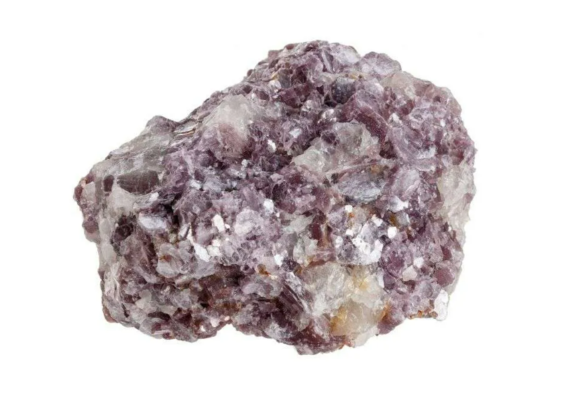
JELA-LI LIBS ANALYZER adopts high-power miniaturized nanosecond laser technology, combined with independently developed spectral denoising, PLS, PCA and other intelligent algorithms. Operators can use it on-site after a brief training, and can quickly complete the qualitative and quantitative analysis of the content in minerals such as pyroxene, carp mica, granite, phosphate aluminum carp stone, etc.
For lithium ore explorers, the handheld lithium ore analyzer brings a new on-site lithium ore component detection method, which greatly improves the efficiency of lithium ore exploration. There is no need to bring a large number of samples back to the laboratory for testing and wait for the results, which facilitates quick decision-making on site.
For lithium ore traders, it saves time from sampling, inspection, report issuance to trading, and can make quick decisions. It avoids trading risks caused by lithium ore grade problems and price fluctuations.
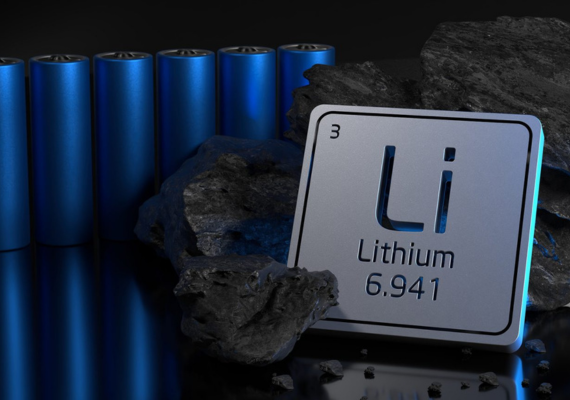
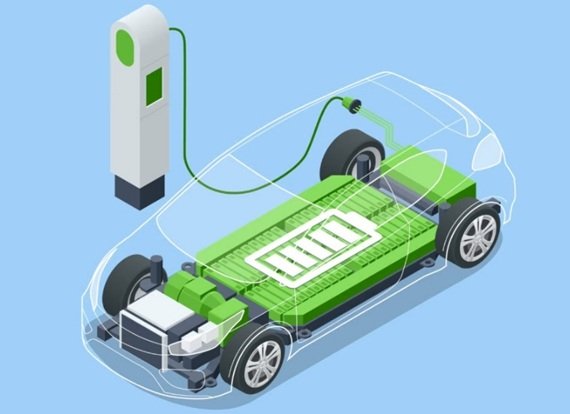
Lithium is the element second only to hydrogen and helium, ranking third in the periodic table of chemical elements. It is the metal element with the lowest density and lightest lightest in nature. Lithium, known as “industrial MSG”, can be made into a variety of lithium salt products after smelting and processing, which are widely used in glass, ceramics, lubrication and other industries. Lithium is also an ideal material for battery production because it is the lightest metal element and has the highest specific capacity and strong ability to gain and lose electrons in metals. In addition, it is also widely used in controlled nuclear fusion and other aspects, so it is considered to be a key metal to solve the long-term energy problems of mankind. With the rapid development of the new energy vehicle industry, the demand for lithium, an important raw material for power batteries, has also increased significantly. Public data shows that more than 60% of the lithium mined worldwide in 2021 was used to make power batteries. In the manufacturing cost of power batteries, lithium carbonate alone accounts for nearly 40%, and the cost of power batteries accounts for about half of the cost of new energy vehicles. The extreme imbalance between supply and demand has led to a sharp rise in the price of battery-grade lithium carbonate.
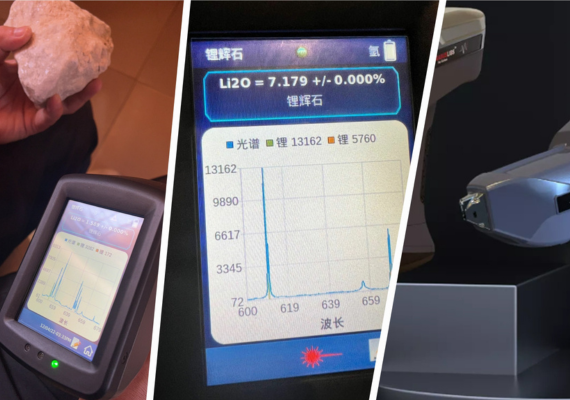
When testing lithium ores such as spodumene and lepidolite, traditional chemical methods include flame atomic absorption spectrometry, gravimetric determination of lithium oxide in lithium ores, and titration. However, these are chemical analysis methods, which generally require samples to be taken back to the laboratory and complex sample preparation work to be carried out. They are highly professional and have high professional requirements for analysts. In addition, the chemical analysis method takes a long time to produce results, and it is impossible to quickly judge the grade of lithium ore in a short time.
JELA-LI LIBS ANALYZER can quickly screen lithium ores and cores, including the analysis of lithium, beryllium, boron and carbon elements in brine and hard rock. Compared with the laboratory chemical analysis method, the Xingfan handheld laser lithium ore analyzer is suitable for on-site analysis of lithium mines, has a fast detection speed, and can be brought to the lithium mine site for detection, which greatly saves analysis time and improves analysis efficiency.