


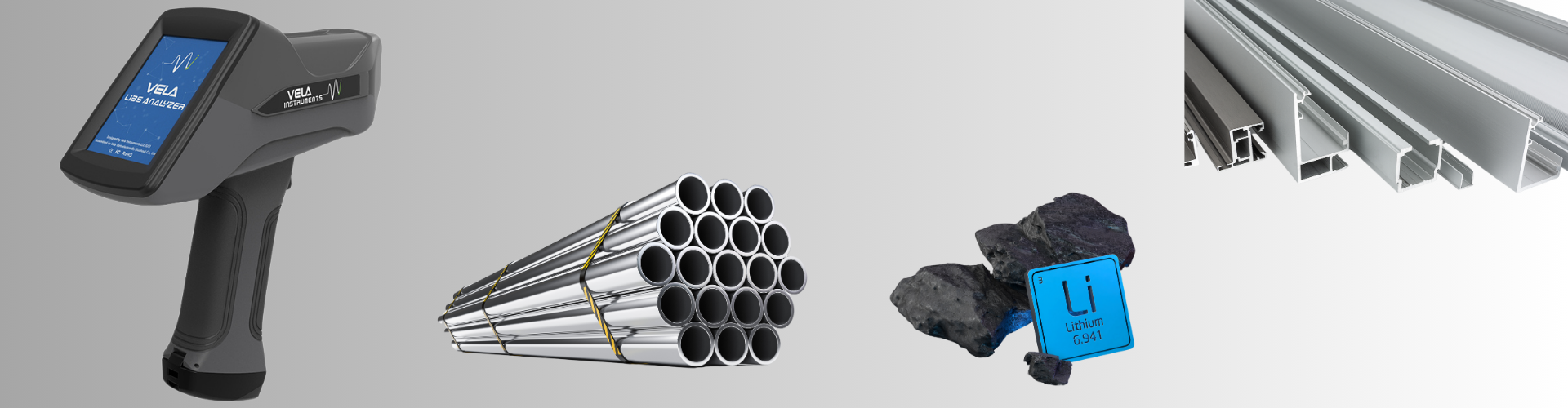
Handheld LIBS Analyzer
“LIBS is short for Laser-Induced Breakdown Spectroscopy. This technology uses the plasma generated by pulsed laser to ablate and excite the material in the sample (usually solid), and obtains the spectrum emitted by the atoms excited by the plasma through the spectrometer to identify the elemental composition and content in the sample, and then can identify, classify, qualitatively and quantitatively analyze the material.” LIBS technology is one of the fastest technical means to identify and analyze alloys. It only takes one second to complete accurate measurements of almost all types of alloys, including aluminum alloys, and its detection speed is 20 times faster than that of handheld X-ray fluorescence spectrometers (XRF). In August 2012, NASA’s “Curiosity” rover officially landed on Mars. The rover was equipped with LIBS, which replaced the traditional XRF and analyzed the composition of Martian rocks, completing the detection task excellently, so LIBS become well-known.
Products Portfolio
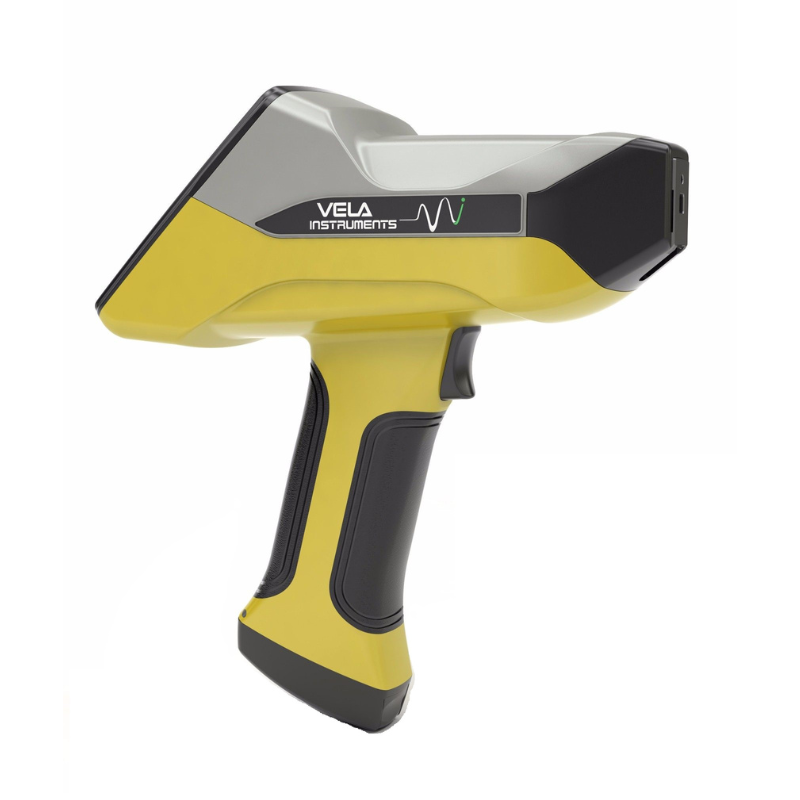
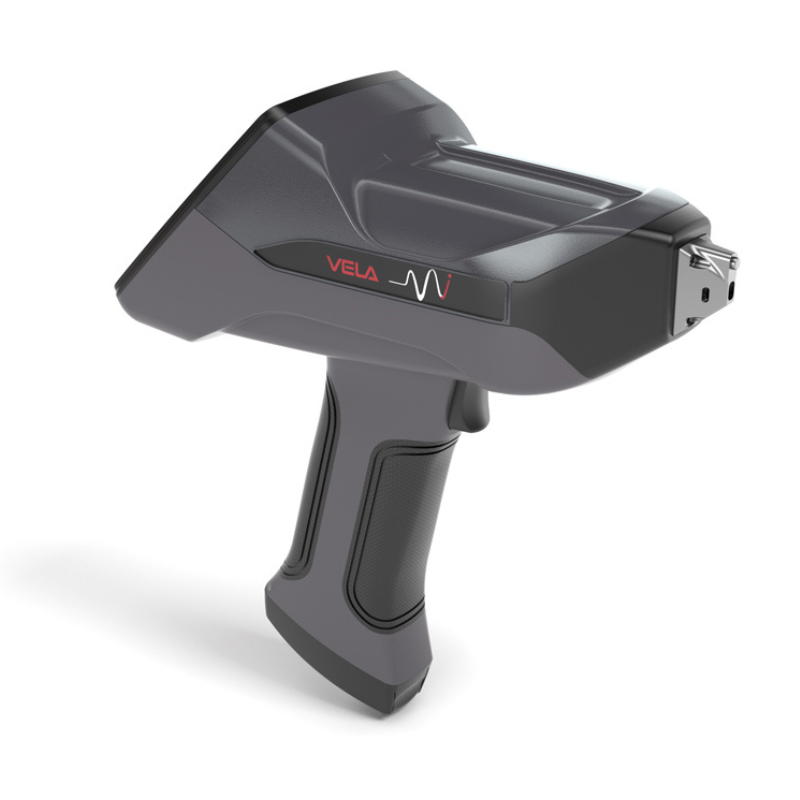
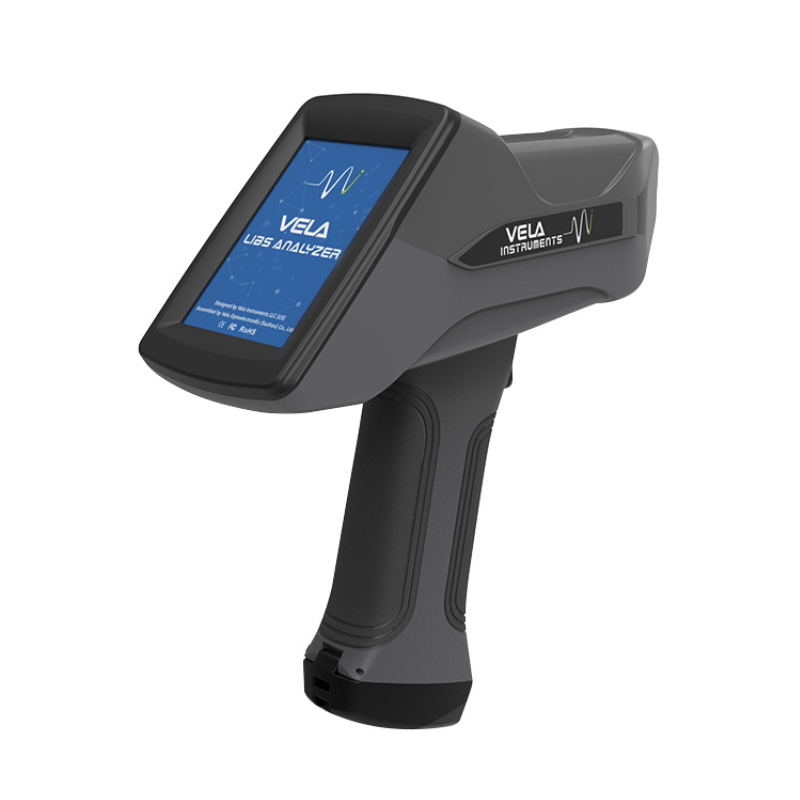
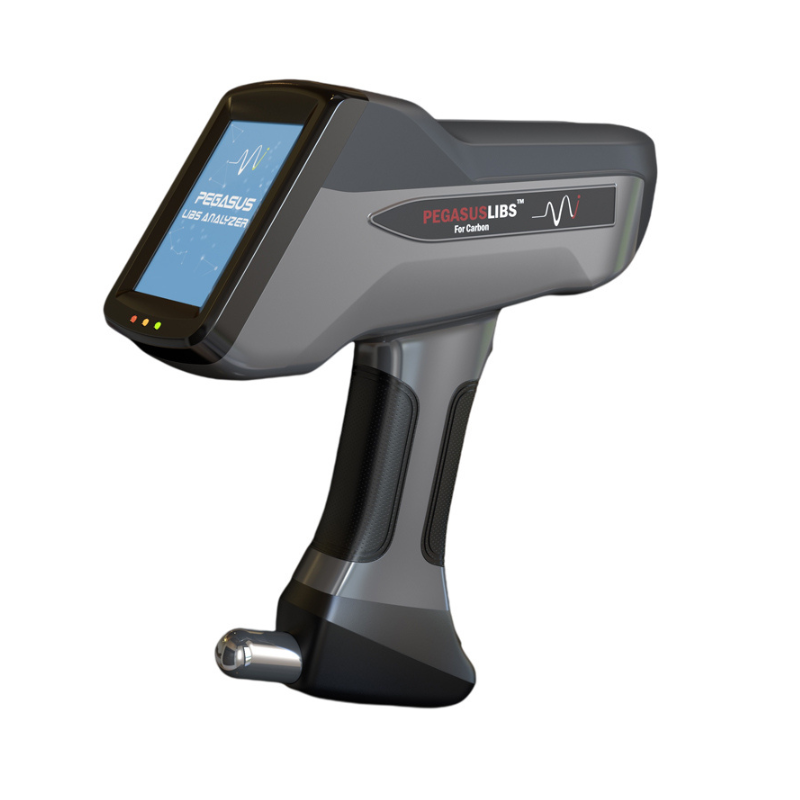
Product Feature Box








Safe laser
The Class 3B safe laser technology based on high-energy pulses completely avoids the ionizing radiation hazards caused by fluorescence instruments (XRF). The laser no longer remains in a collimated state after the optical path converges. Under normal use, it will not cause any harm to the eyes. Moreover, the reliable pulse laser has an ultra-long life, generally up to a million times.
The safety switch design requires that the panel must be close to the surface of the object to be tested before the laser can be turned on for testing to avoid triggering the laser due to misoperation. Optional mechanical and photosensitive safety switches can adapt to flat, curved and debris-like objects.


Top industrial design
The fully enclosed housing (IP54) is waterproof and dustproof. The high-strength fuselage is made of a large amount of aluminum alloy material, which is strong and wear-resistant and has good heat dissipation effect. It is suitable for outdoor operation and harsh industrial application environments, and is suitable for long-term handheld operation. The large-capacity lithium battery pack can be used continuously for a whole day. The instrument has no fragile and vulnerable parts, which is more reliable than traditional fluorescence spectrometers. Users only need very low maintenance costs for long-term use.
Exquisite and compact
The weight of the JELA handheld LIBS laser spectrometer (including battery) is only 1.25 kg, which is lighter than any handheld metal tester on the market. It is small in size, balanced in center of gravity, ergonomic, and suitable for long-term handheld use.


Simple and fast operation
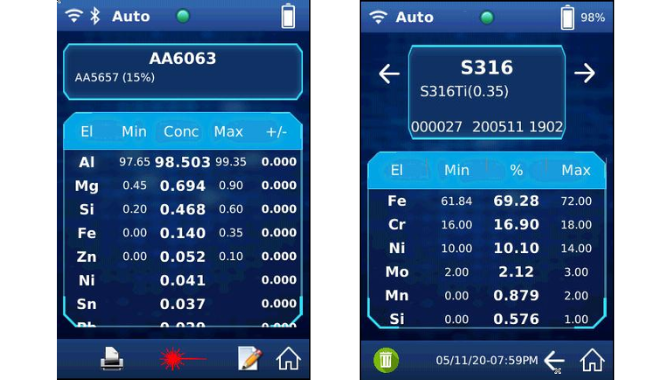
The software of JELA LIBS is highly integrated. Human-machine interface design, one-button operation, simple and convenient, any single test time does not exceed 1 second.
Compatible with different materials, accurate measurement
LIBS can measure aluminum/zinc alloy, stainless steel, copper alloy, lithium element, and carbon content. High measurement accuracy and good repeatability.
APPLICATIONS
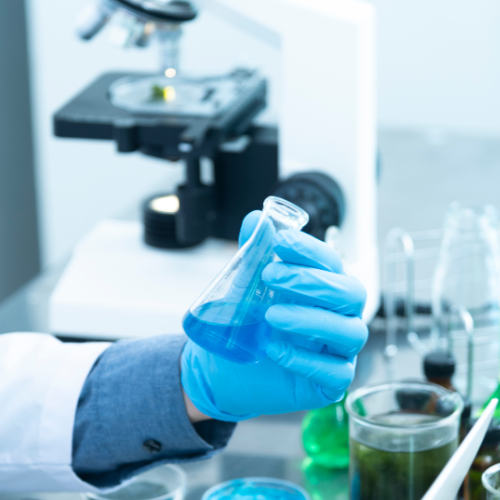
In the metal product manufacturing industry, material quality assurance and quality control (OA/OC) are essential. The use of substandard or unqualified metal materials often causes losses to manufacturers. From small metal manufacturers to large aviation manufacturers, handheld LIBS has gradually been designated as a powerful weapon for alloy material confirmation in the quality system (QA/OC).
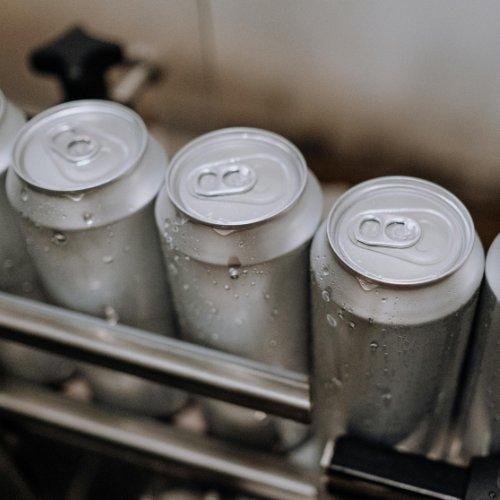
The metal waste recycling industry is developing extremely rapidly. Faced with the complex and diverse types of alloys and the uneven quality of materials, it is necessary to use advanced testing methods to conduct rapid and accurate analysis and testing on site to adapt to the ever-changing market conditions and thus remain invincible in the fierce industry competition.
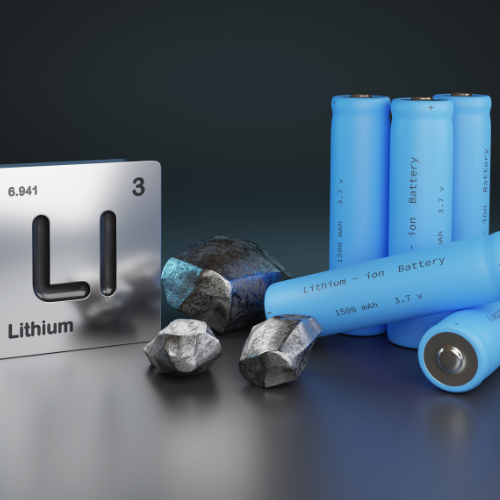
The lithium element detection capability of handheld laser induced breakdown spectrometer has played a huge role. From on-site detection of lithium ore to rapid analysis of ternary battery materials, to the field of green recycling of lithium batteries, handheld laser induced breakdown spectrometer has been chosen by more and more companies.

Handheld LIBS is particularly outstanding in the detection of aluminum alloys, especially for light atoms, where the lower limit of measurement can reach 100-10PPM. Therefore, it is welcomed by many aluminum alloy companies. Due to the characteristics of rapid on-site application,many aluminum companies all over the world have purchased handheld LIBS as a tool for raw material warehousing acceptance.

The carbon equivalent concept is used on ferrous materials, typically steel and cast iron, to determine various properties of the alloy rather than just using carbon as a measurement. The idea is to convert the percentage of alloying elements other than carbon in the material to an equivalent carbon percentage, since the iron carbon phase is easier to understand than other ferrous alloy phases. This concept is most often used in welding, but is also used in heat treating and casting cast iron.
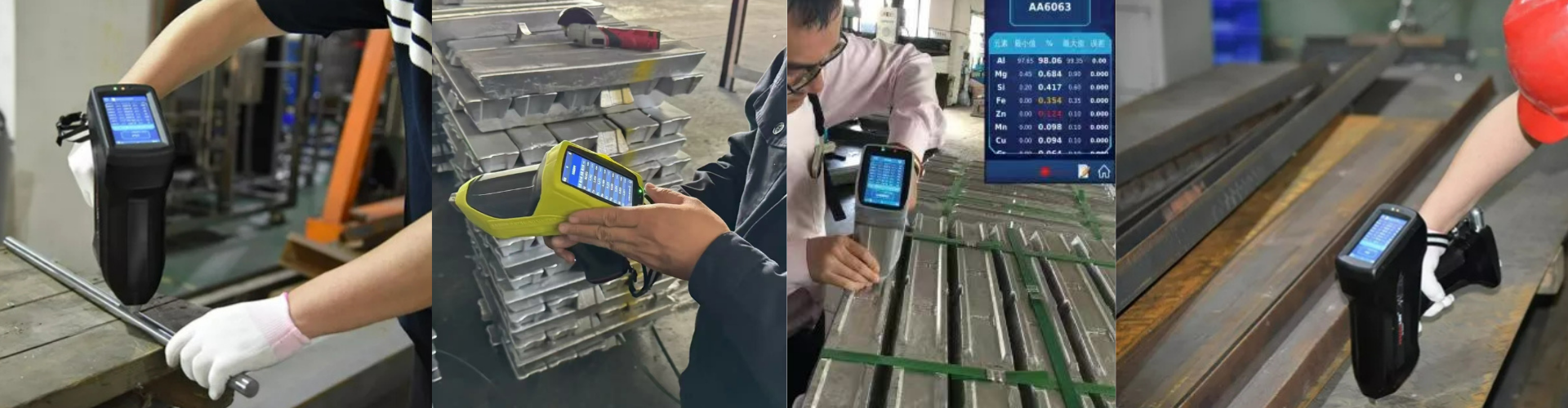
LIBS is the abbreviation of “Laser-Induced Breakdown Spectroscopy”. This technology uses the plasma generated by a pulsed laser to ablate and excite the material in the sample (usually solid), and obtains the spectrum emitted by the atoms excited by the plasma through a spectrometer to identify the elemental composition and content in the sample, and then can perform identification, classification, qualitative and quantitative analysis of the material.
Handheld LIBS uses laser light source, has no ionizing radiation, has a fast detection speed, can analyze a variety of analytical elements, and has no consumables.
1.Reduce global supply chain quality risks: Ensure the accuracy of raw materials used in all aspects of production (PMI)
2.Recycling of scrap metals and alloy materials, improve recycling efficiency and economic benefits
3.Petrochemical: Inspection of existing refineries, oil pipelines and other infrastructure
4.Mining: On-site analysis of ores and cores
5.Environmental monitoring: Analysis of pollutant elements in soil
In complex on-site environments where traditional analytical methods are difficult to use, the VELALIBS handheld laser induced breakdown spectrometer uses advanced analytical technology to enable operators at the work site to quickly and accurately perform accurate elemental quantitative analysis of alloy materials in just 1-2 seconds.